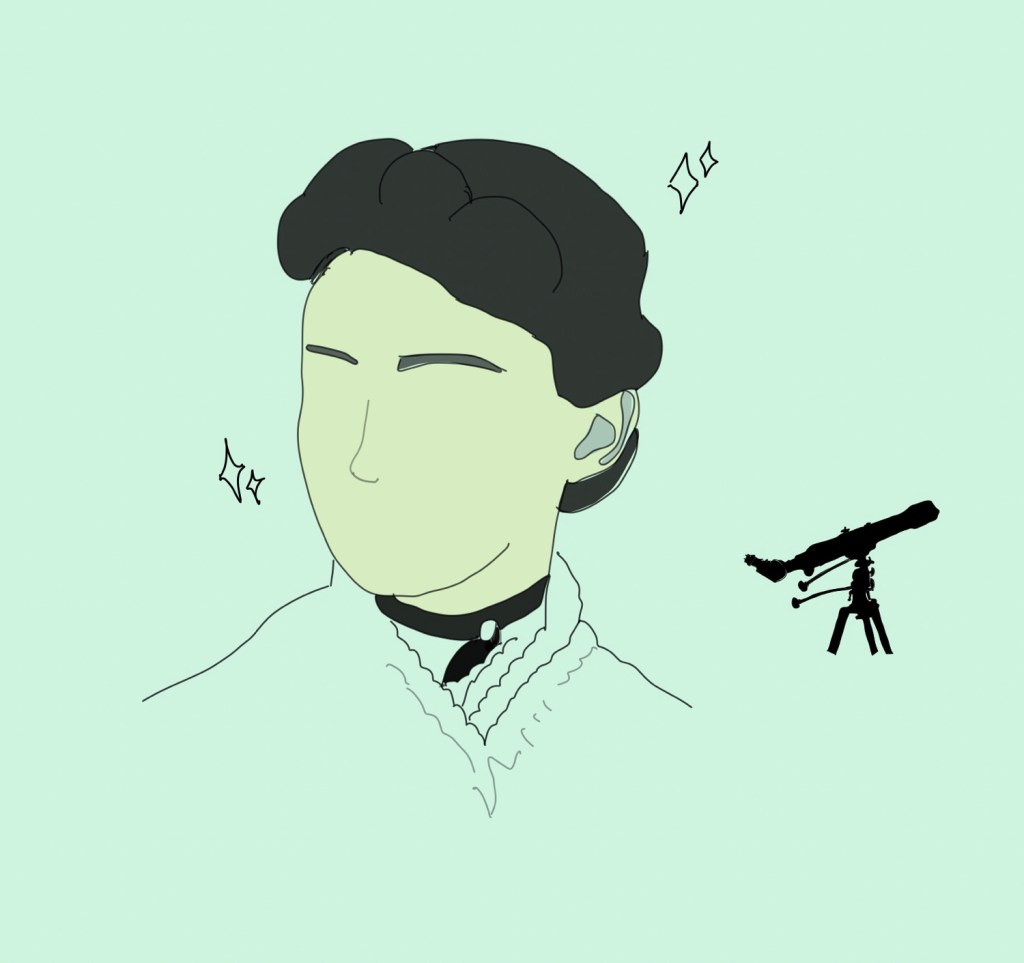
A life spent in the routine of science need not destroy the attractive human element of a women’s nature.
Annie Jump Cannon
ANNIE JUMP CANNON
Astronomer
She was the first to attempt cataloguing, organizing stars on the bases of their temperatures and spectral types.
Edward Pickering believed that Annie was the only person in the world who could do this work so quickly due to her brilliant understanding of the subject.
She could classify three stars a minute just by looking at their spectral patterns and, if using a magnifying glass, could classify stars down to the ninth magnitude, around 16 times fainter than the human eye can see.
Contributions:
・Classifieds the stars on grounds of Balmer’s absorption lines. The spectral classes were – O, B, A, F, G, K, M
・She became a part of Royal Astronomical society.
・Published a catalogue of stellar spectra, was a made a Curator of Harvard’s Astronomical Photographs.
・Published books to increase the status of astronomy in society.
・Acted as ambassador, brokered partnerships between men. And exchanges of equipment internationally.
- Discovered 300 variable stars, 5 novas, a spectroscopic binary, and created a biography with almost 200,000 references.
- Collaborated with Cecelia Payne to show that stars are constituted of hydrogen and helium.
- First women to receive a doctorate from Oxford University.
- The award Annie J. Cannon created in her honour, was given to women of any country whose contributions to the field of astronomy were distinguished.
Personal life:
Even after facing heavy criticism for being ‘out of place’ and not looking after the house like women do, the Harvard computers worked at the observatory to make significant contributions.
She helped women in astronomy gain acceptance, respect and she paved the way for the future generations of women to come.
She had almost lost her hearing due to scarlet fever and was nearly deaf during most of the length of her career. Cannon was also a member of the National women’s party, a suffragist.
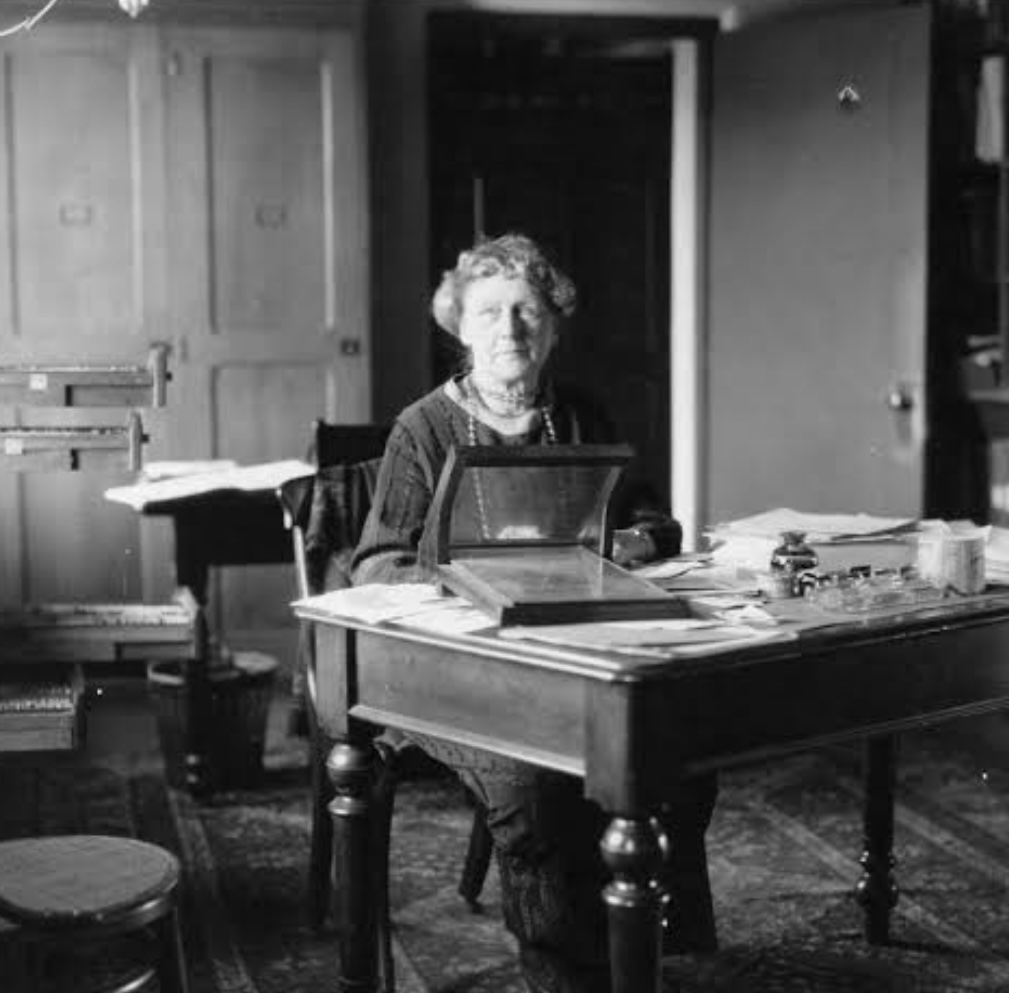
 Through my eyes